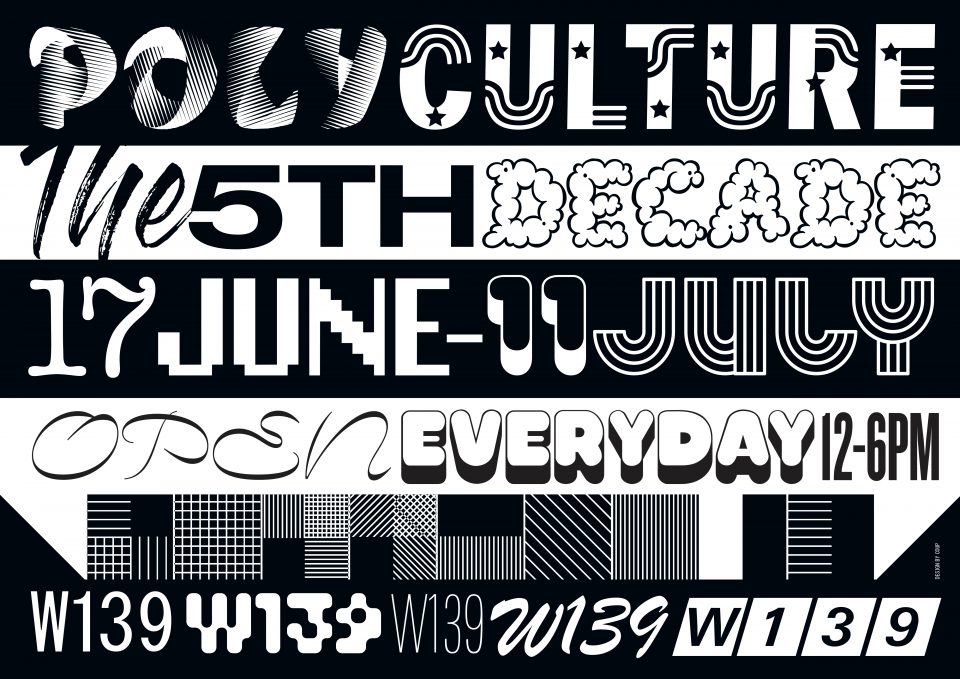
Tijdens het Amsterdam Art Weekend 2021 presenteert W139 een selectie uit het archief om terug te kijken op de afgelopen vier decennia aan artistiek experiment, en de diversiteit van de benaderingen, materialen, stijlen, technologieën en esthetieken van kunstenaars in deze rijke geschiedenis te belichten. Polyculture nodigt de kijkers uit om zich de toekomst van het centrum van Amsterdam voor te stellen door een lens van begraven archeologische artefacten. Trots op haar diverse verleden en voortdurende bijdragen aan het culturele en artistieke ecosysteem van de stad, is W139 de locatie geweest voor velen beginselen – beginselen voor kunstenaars wier experimenten soms in gerenommeerde musea terecht zijn gekomen; wier ideeën misschien wereldwijd zijn gevierd of juist vergeten; en wier kunstuitingen misschien niet onmiddellijk worden herinnerd. Posters, uitnodigingskaarten, foto’s, kunstwerken, catalogi en nog veel meer archiefstukken van collectieven als ruangrupa en New Sculpture Department en After Howl, en individuele kunstenaars als Marlene Dumas, Natascha Kensmil, Ulay, Ronald Ophuis, Katja Novitskova en Thomas Hirschhorn worden gepresenteerd.
Er zijn vele perspectieven waarmee het archief van W139 te benaderen: de technologische ontwikkelingen voor en na de opkomst van het internet, de politieke verschuivingen van Nederland en de wereld, de uitbreidingen van ons netwerk toen er meer niet-Europese kunstenaars betrokken waren of veranderingen in esthetische en/of curatoriële benaderingen onder verschillende directeuren en institutionele structuren.
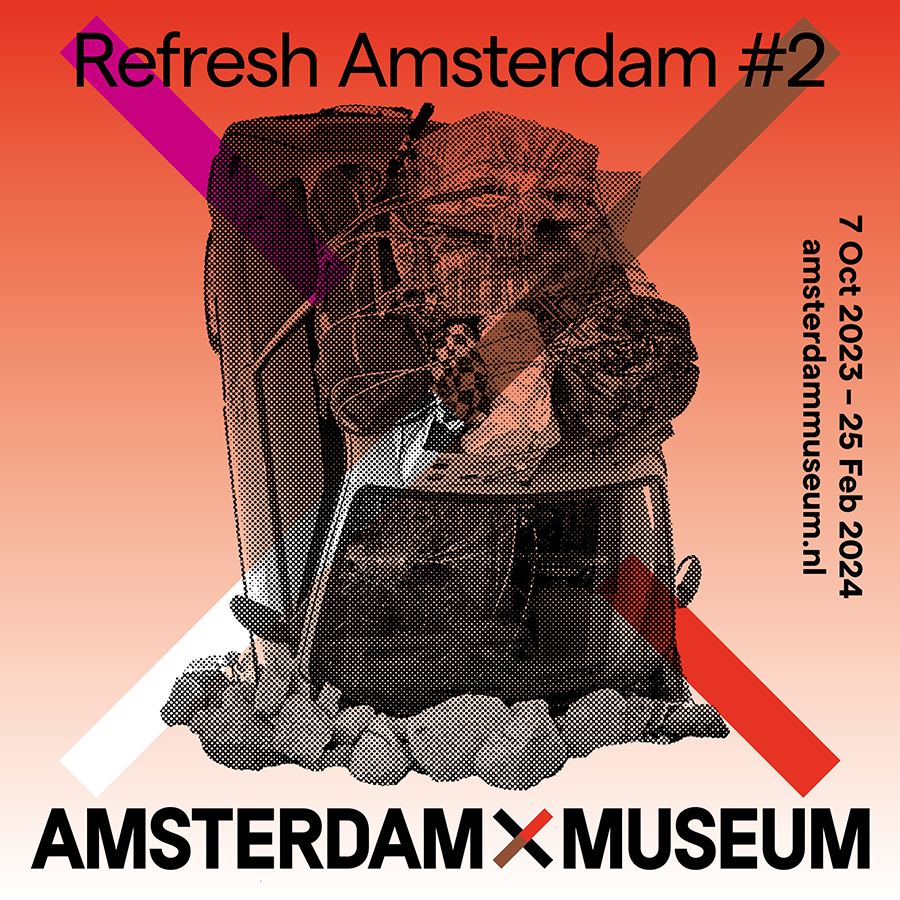
Bidnan3eesh – بدنا نعيش (WE WANT TO LIVE), 2022
The neon artwork with the Arabic words بدنا نعيش (We want to live) was created by visual artist Susanne Khalil Yusef. The neon design is based on the handwritten words of Hamza, an artist friend of Khalil Yusef who lives in the Gaza Strip. “We want to live” is the desperate appeal that inspired her to produce this work of art. Under the Israeli occupation of Palestine, living conditions are poor and unsafe, often a lifelong reality for many inhabitants.
As a counterpart to this violence, Khalil Yusef creates seemingly cheerful installations in which she uses an abundance of color and diverse materials, from carpet, glass, and ceramics to video work. Behind her brightly hued works lurks a world of menace, displacement, and fear.
The installation We Come in Pieces (2023) by Khalil Yusef can be seen at the Amsterdam Museum.
This work is part of the art presentation Refresh Amsterdam #2, in which artists, selected through an open call, create work highlighting Amsterdam’s urban culture. The theme of this second edition is War & Conflict. Refresh Amsterdam is an initiative of the Amsterdam Museum, in cooperation with more than 20 cultural institutions in the city. For more information, see www.amsterdammuseum.nl.
Brutally stolen from Suede’s same titled song from the 1996 album Coming Up, it is not so much an ode or reflection to the contents of the original title holder, nor is it deeply concerned with the background of this Britpopish song (although it is that of an interesting notion), the title is solely borrowed, used and abused for the mere and sheer liking of the four words themselves, right here and right now.
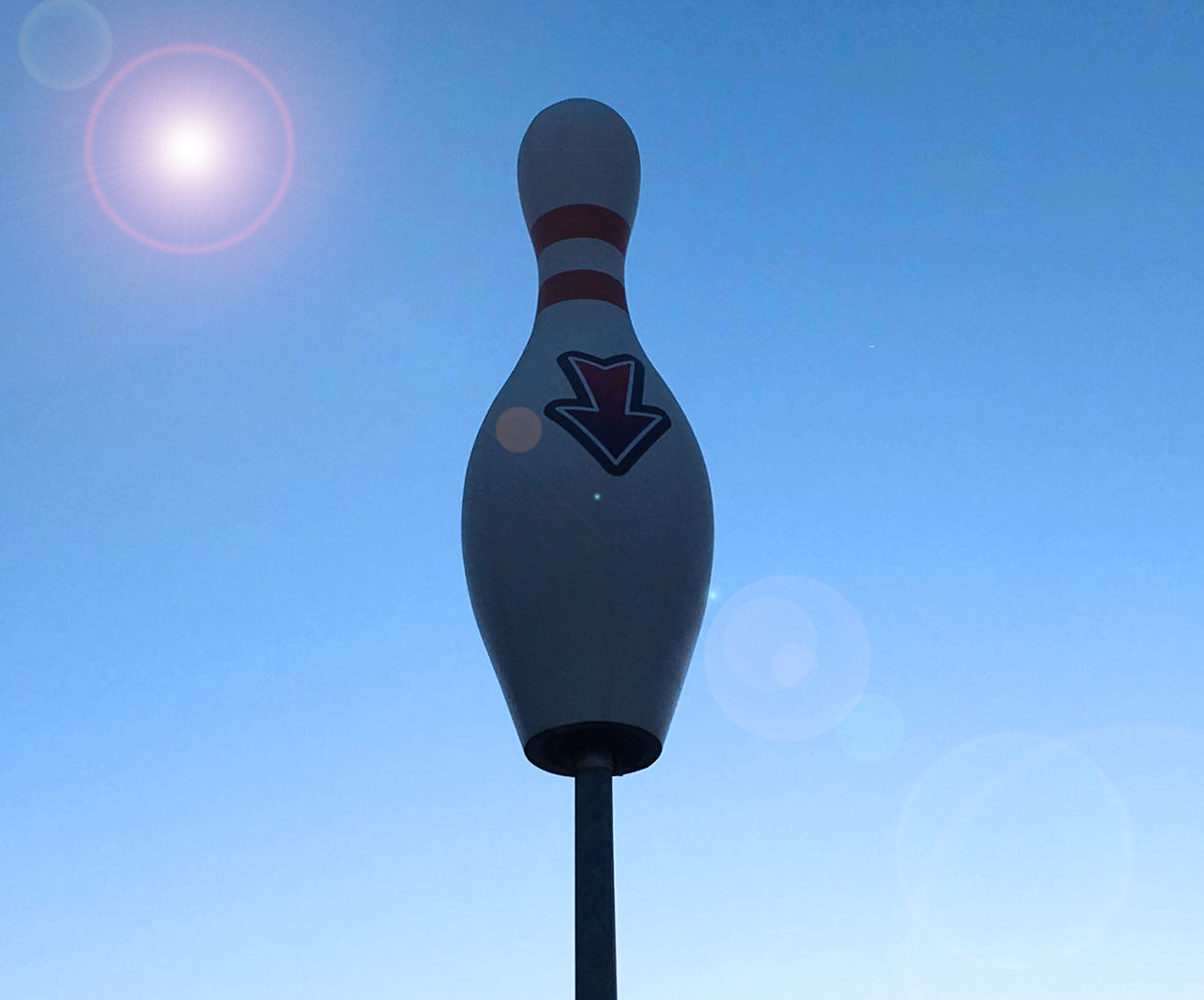
Through a series of various snippets of essayistic/column-like moving images, Europe Is Our Playground, deals with matters such as modern-day Dutch imperialistic retail tendencies, a contemporary sense of the European single market and its e-numbers (and other measures and measurements), the dominant state of glocal consumerism of sex, drugs, and Nutella engulfed waffles, bowling, exoticism in European wildlife, explosions, the difference between Snel Gips and Plâtre de Modelage, contrasts and structures, wires, routers and interconnectivity, and lastly, Maurice. That, and much more (or slightly less) and all from the refuge of the studio.
Europe Is Our Playground by Brussels-based artist Kitty Kamp marks the end of a 4-month artist in residence period at W139, kindly supported by the Mondriaan Fund.
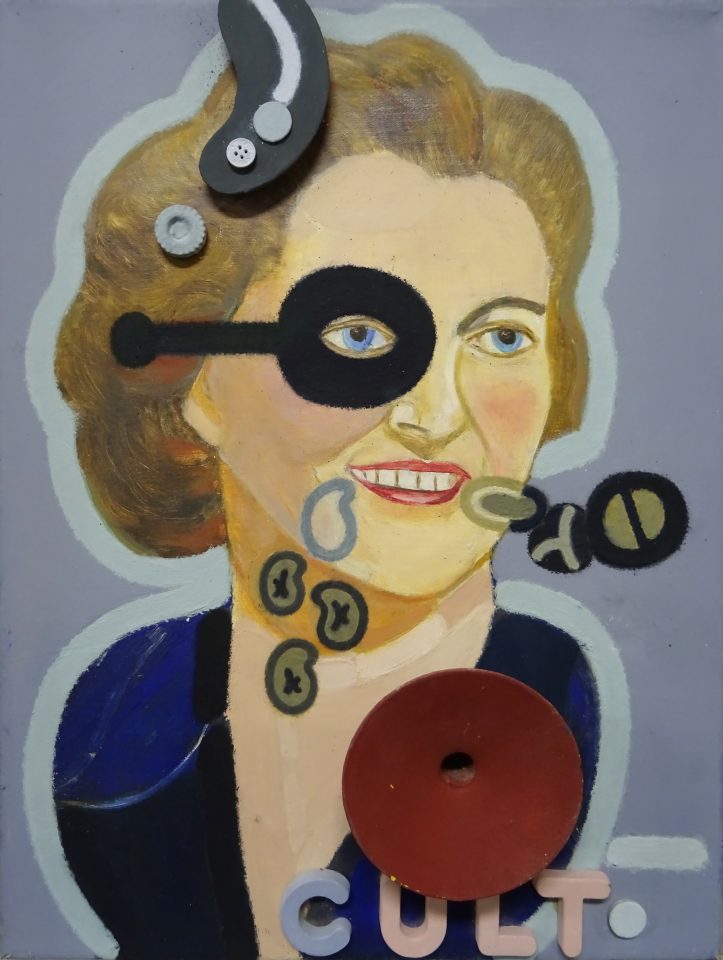
“I make use of three techniques, that of painting, assemblage and modification. For painting, my starting point – the inner journey – largely determines the content. The modification is more on the razor’s edge than my other work. In what appears a delicate balance between art and kitsch. But ultimately a work of art – an absolute condition – which in both form and content gives expression to the high kitsch level of Western civilization and its cultural forms. In the assemblage there is a certain balance. For a more or less equal part, the first and the second starting point can determine the content.”
Some short notes by Lucassen, February 2014

IFor the first time Jo Baer shows several digital and giclée prints of her paintings and studies side by side. The prints show the layering in her way of thinking and working and make the construction as well as development of Baer’s paintings visible. The various combinations of collages, drawings, references and sketches in the studies give a new perspective on Baer’s works.
Photography by Chun-Han Chiang.
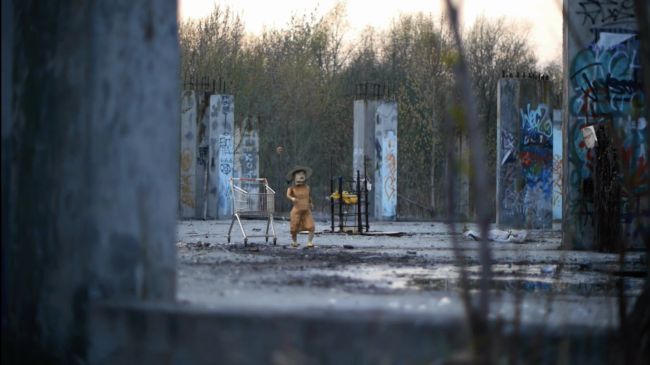
In Mikhail Maksimov’s non-linear spiritual legal thriller M.M.T.P. Obmyak film directorAndrei Tarkovsky, actor Aleksandr Maslaev and writers Andrei Platonov and Yury Mamleev appear as metaphysical politicians engaged in a dispute concerning the future of the earth and space travel. The protagonists are venerated figures of Russian culture who, each in their own way, conducted a thought experiment so as to explain Russia as both a place and a state. In this film Maksimov condenses their discourses in short and powerful blasts, all the while putting them through a process of disembodiment. These are people as ideas as creatures forever reincarnating in newer and wilder forms
Based on a text by art critic Valentin Dyakonov.

