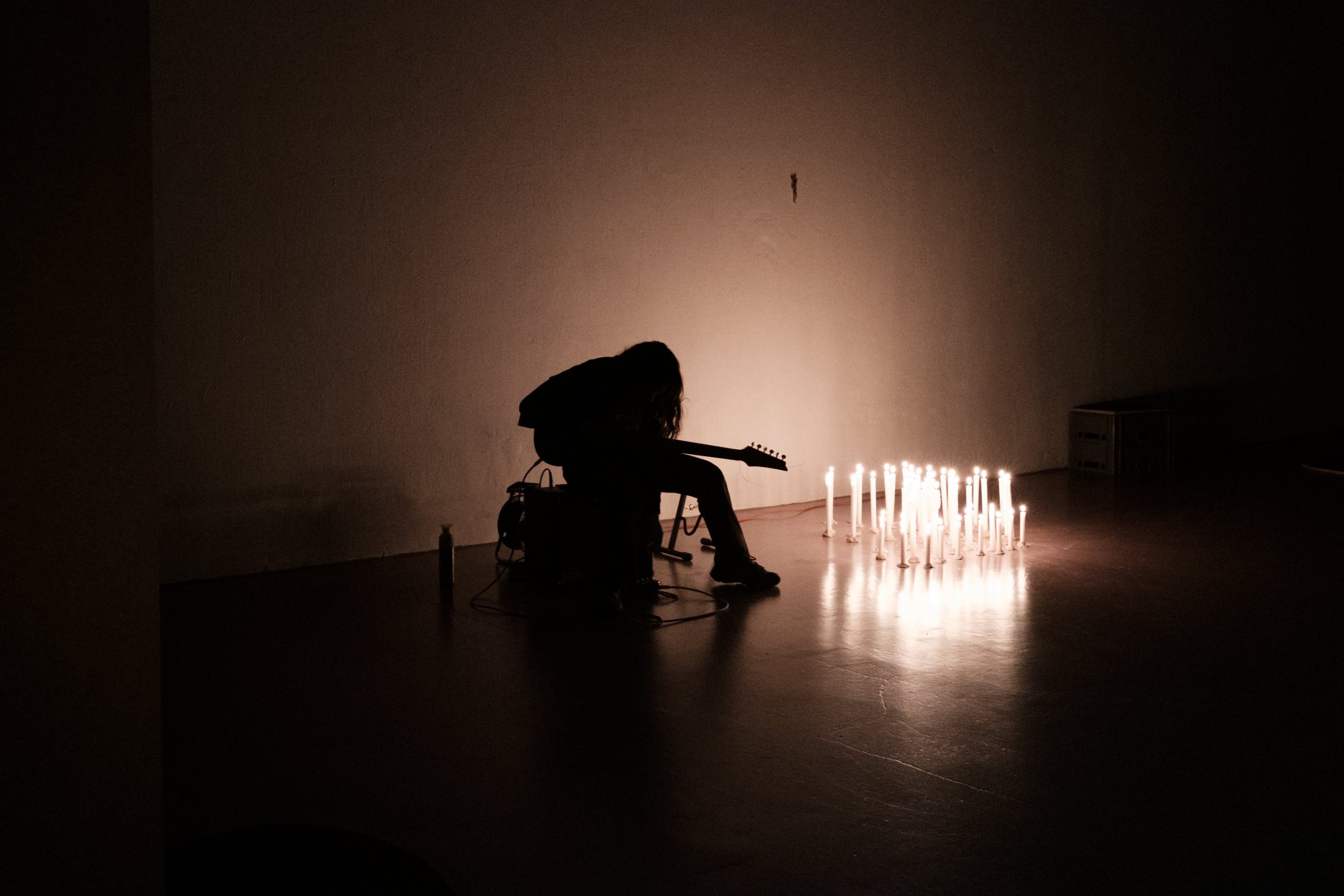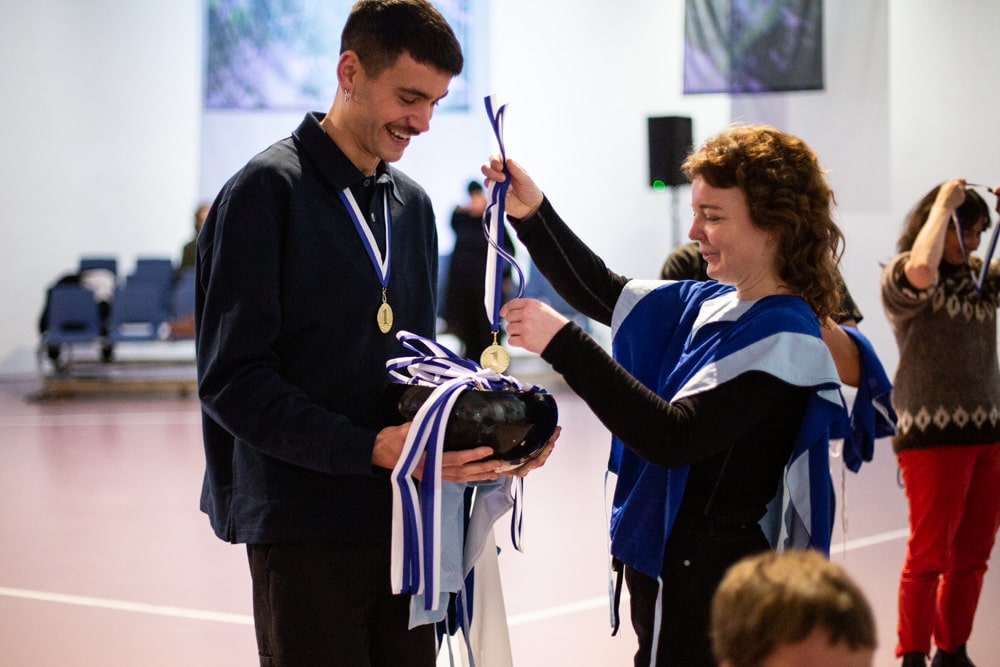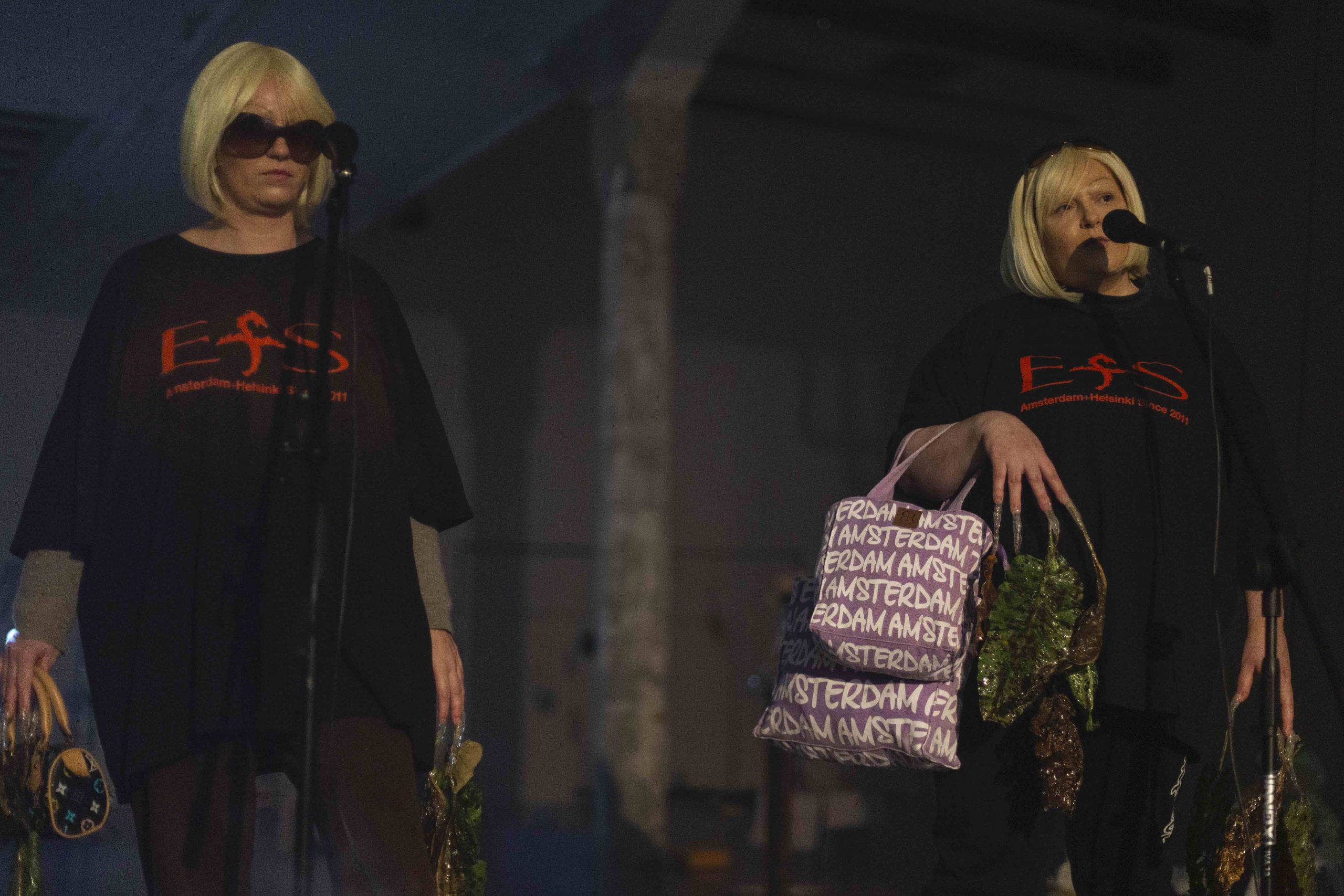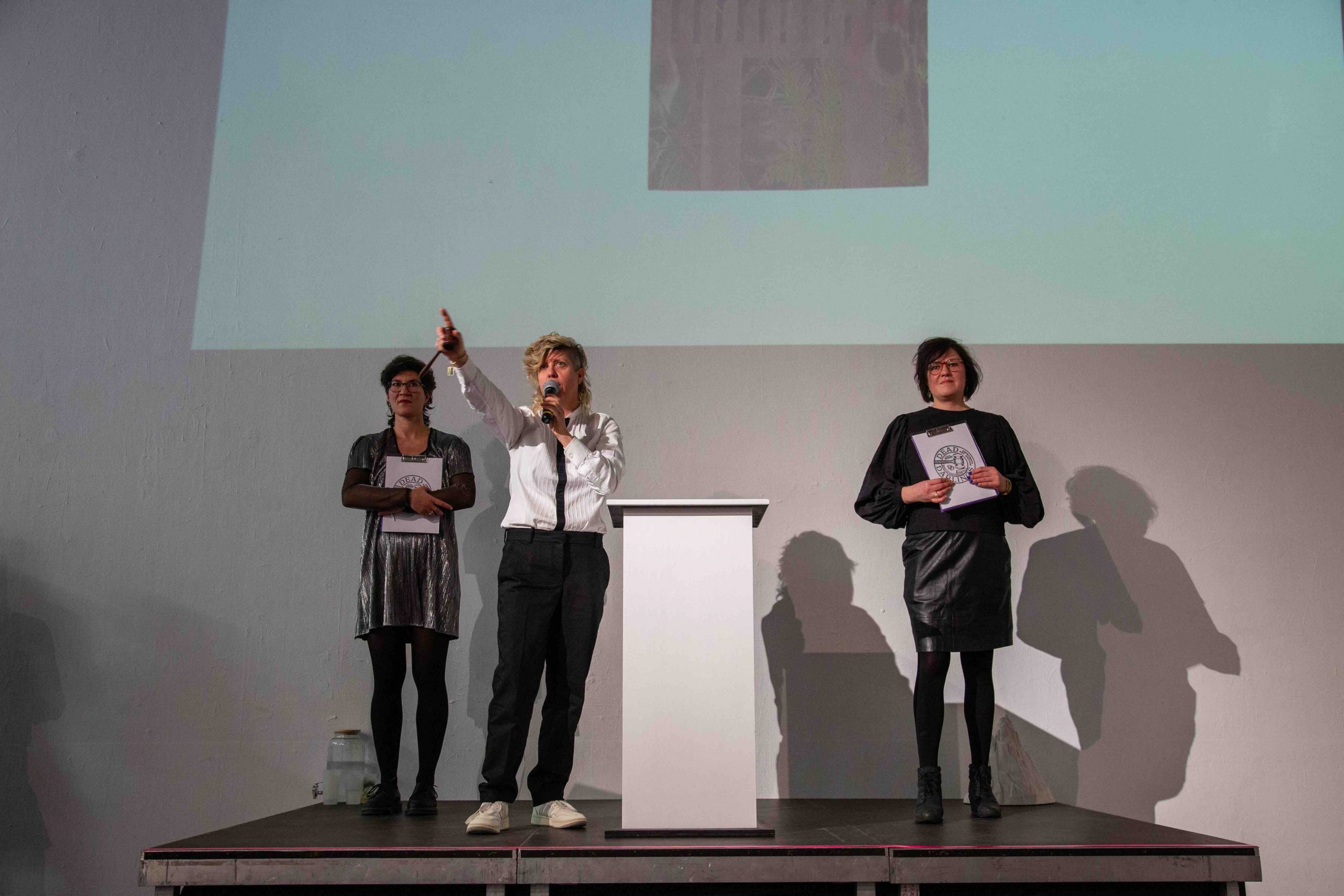
Dead Darlings is thrilled to mark their 20th anniversary with a special exhibition and auction in collaboration with W139.
Come celebrate an auction event like no other! Two rounds of bidding, with food, drinks, performances, and plenty of surprises. Stay for the whole thing — or drop in whenever you like!
All sales are anonymous — artists’ names are revealed only after each work is sold! Our 20th edition celebrates community, creativity, and collaboration.
Sign up here for the auction!
Programme
Doors — 12:00
Auction (part 1) — 16:00–18:00
Dinner break — 18:00-19:00
Auction (part 2) — 19:00–21:00
You are welcome to come and view the works from 12:00-16:00, and the auction will start at 16:00 hrs.
You can get a head start on checking out the artworks through the online catalogue on the Dead Darlings website
Free entrance
Register for a paddle: € 2
If you have bought a catalogue, you will receive a paddle for free, but we recommend you sign up ahead of time to make the process smoother. And don’t forget to bring the catalogue with you!
Freshly cooked food will be available throughout the evening by Aslı Hatipoğlu, with a dinner break from 18:00-19:00. Expect fresh rice paper rolls, black bao buns, and pumpkin coconut soup.
84 Participating artists in alphabetical order: Ad de Jong, Adriana Joëlle Jochems, Ahmad Mallah, Andrea Imwiehe, André van Bergen, Anika Schwarzlose & Elena Khurtova, Anna Hoetjes, Annaleen Louwes, Anne Wölk, Anni Ruffin, Antoinette Nausikaä, Anuschka Blommers / Niels Schumm, Aurélien Lepetit, Barbara Rink, Charlott Markus, Coralie Vogelaar, Danielle Vorthuys, Dasha Afanaseva, Delta van Melle, Diana Al-Halabi, Emmanuelle Wilhelm, Erik Alkema, Eva Schippers, Floor Meijers, George Korsmit, Gijs Assmann, Giorgos Gripeos, Hanna Mattes, Ine Lamers, Jacopo Calonaci, James Beckett, Jan Timmers, Janneke Raaphorst, Jean-Philippe Paumier, Jessie Yingying Gong, Joep Neefjes/LPI, Johannes Schwartz, Joseph Miceli, Kai Reichert, Kandido Filgueiras, Klara Hobza, Kristine Hymøller, Leyla Sünnenwold, Lieve Hakkers, Lina Ozerkina, Lisa Sudhibhasilp, Lo Yuen Ming, Lotte Reimann, Lotte van Geijn, Manshee Zheng, Marek van de Watering, Mariana Oliveira, Marianne Vierø, Marie Ilse Bourlanges, Marlies Neugebauer, Masaki Komoto, Maud van der Werf, Max van Meeuwen, Mayra Sérgio, Miklos Gaál, Noam Holdengreber, Pantelis Makkas, Paulien Barbas, Peter de Boer, Popel Coumou, Rebecca Sakoun & Florian Göttke, Rob van der Nol, Roman Tkachenko, Ruth van Beek, Semâ Bekirović & Xu XueQin, Seán O’Riordan, Simon Marsiglia, Sofija Li Virta, Soji Shimizu, Sophie Schreurs, Stéphanie Baechler, Susan Kooi, Susanna Brenner, T Y Gutter, Tania Theodorou, Thomas Monses, Vita Buivid and Anna Buyvid, Yann Vissers, Yiannis Vellis.
Dead Darlings began in 2005 as a subversive, anonymous art auction in Amsterdam. It has since grown into an international platform with a mission to explore the often fraught, always complex relationship between the price and the value of an artwork, focusing on dead darlings—works an artist has created but never brought to light. Inspired by “kill your darlings,” they ask: what becomes of these ambivalent works.
Aslı Hatipoğlu (TH/TR) is an interdisciplinary artist whose social practice focuses on curating participatory dinners and installations that shed light on how culinary history and agricultural politics are changing our relationship to food. From working with micro-scale bacteria and yeasts responsible for fermentation to insects such as the domesticated silkworm, Asli critically investigates ways of relating to our environment and ourselves. Currently she has been working with the shifting narrative of an artist and a tour-guide, merging fiction and reality with story-telling in performative acts as a way to critically question today’s systems of production as a marketable tourist destination.
Photos by Kyle Tryhorn